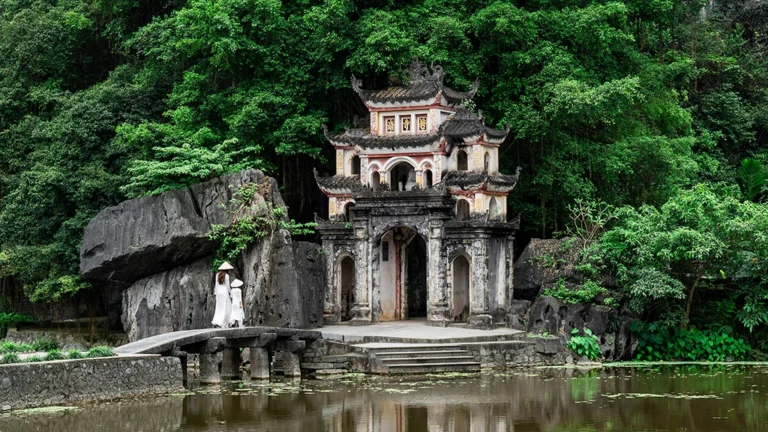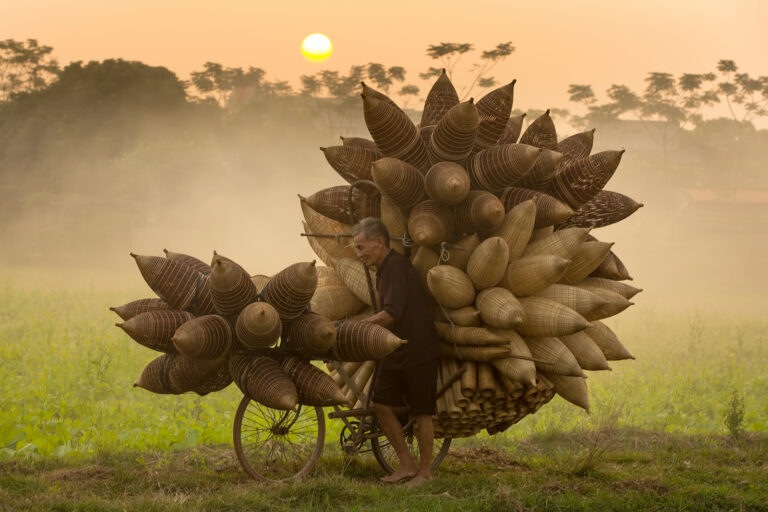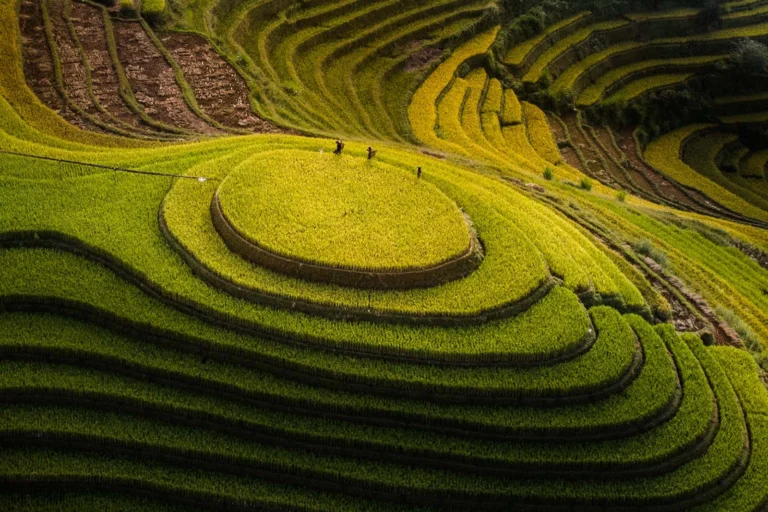
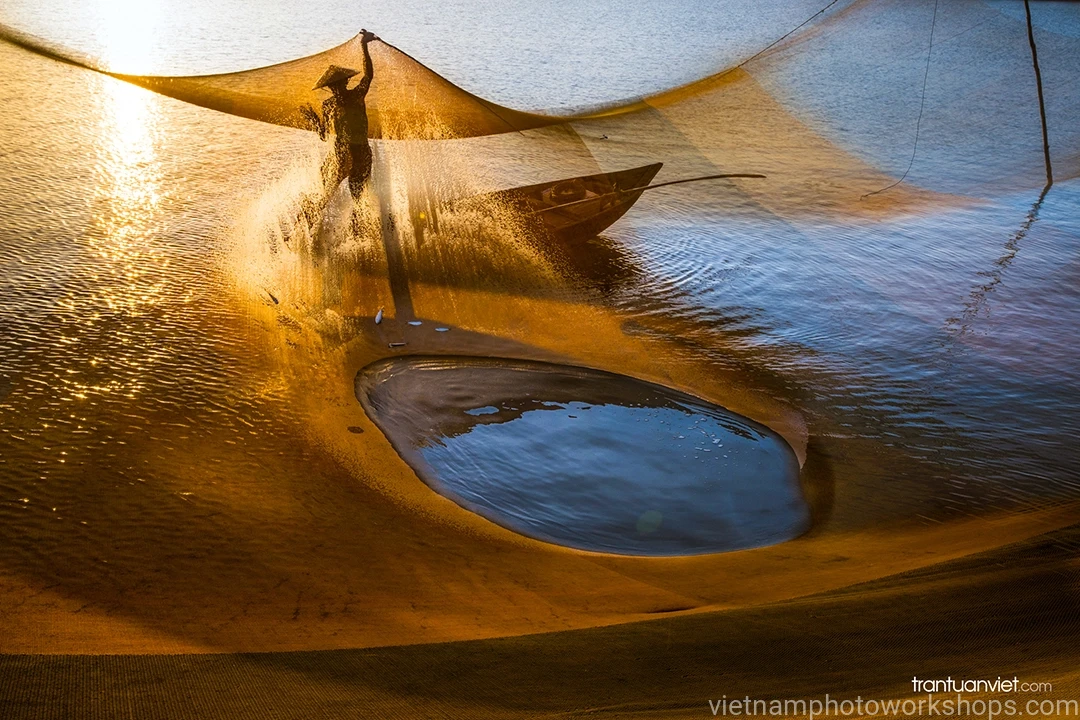
You can buy the best lenses and the latest camera bodies, but the most valuable piece of gear you can have in Southeast Asia is local expertise. While any traveler can follow a GPS to a viewpoint, a Vietnam photo workshop led by a local professional offers access that Google Maps simply cannot provide.
The difference between a “tourist snapshot” and a world-class masterpiece often comes down to the deep, cultural intuition that only a local photographer possesses.
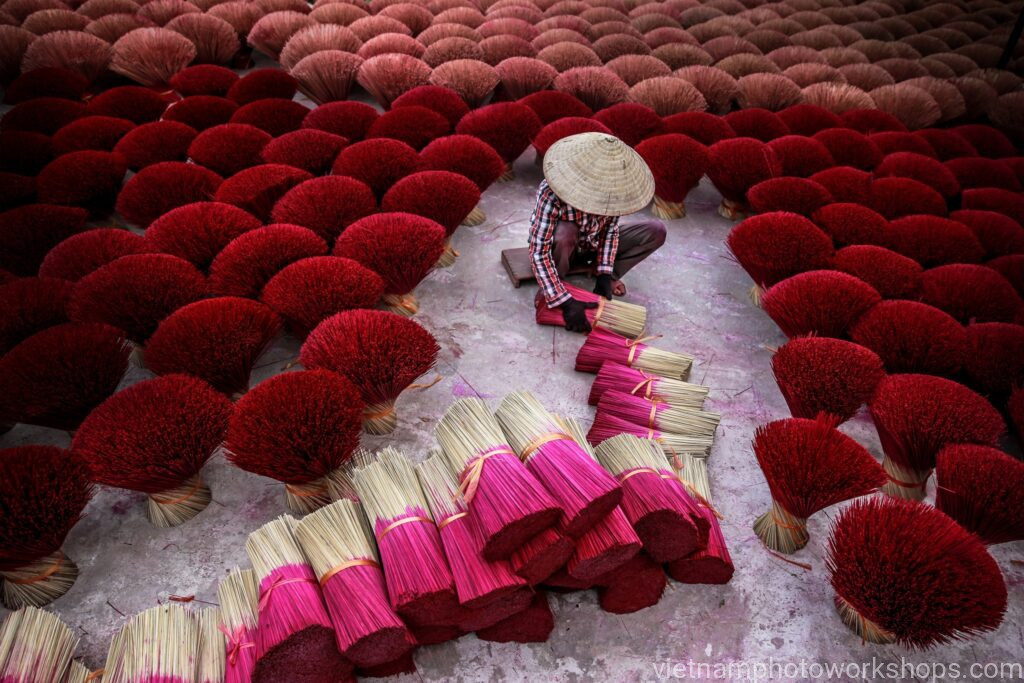
1. The “National Geographic” Standard: Timing and Light
Look no further than Tran Tuan Viet, the Vietnamese photographer who famously brought the “Incense Village” image to the world. His breathtaking shot of the crimson incense bundles in Quang Phu Cau was published by National Geographic, instantly becoming a global symbol of Vietnam’s beauty.
- The Advantage: That shot didn’t happen by luck. Viet knew the exact season, the specific weather conditions, and the cultural rhythm of the artisans. A local pro knows that the incense is only laid out to dry on sunny days and that the light hits the courtyard at a specific angle at 10:00 AM.
- Workshop Value: Your mentor ensures you are set up and ready before the magic happens, teaching you to anticipate “the decisive moment” just as Viet does.
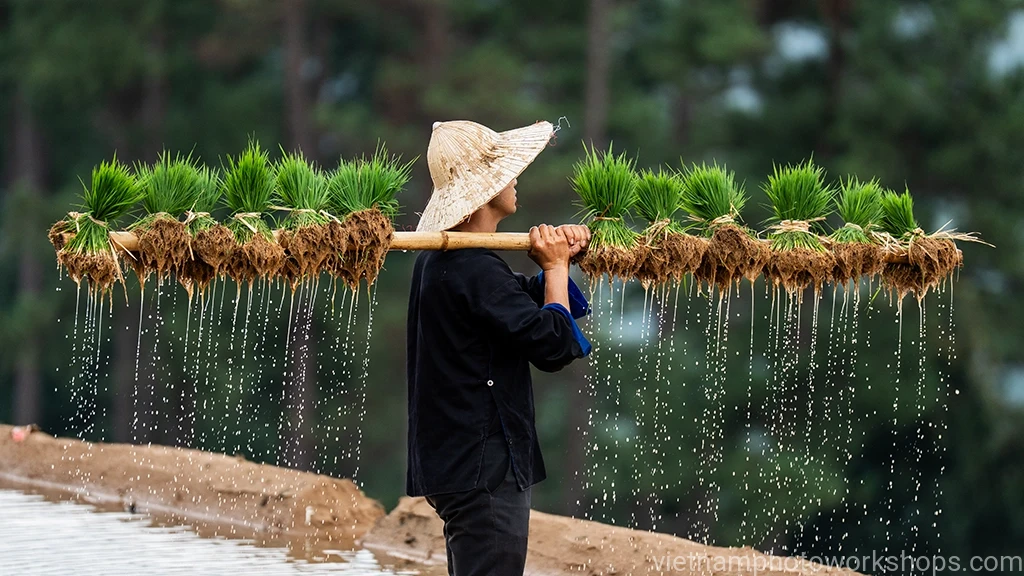
2. The Cultural Bridge: Access and Ethics
Vietnam is home to 54 ethnic groups, each with its own social nuances. A local photographer acts as a cultural ambassador, ensuring your presence is welcomed rather than intrusive.
- Intimate Access: Because your mentor speaks the language and understands the customs, you’ll often find yourself invited into private homes, temple backrooms, or village kitchens—places standard tours never see.
- Workshop Value: Learn the “soft skills” of photography—how to approach subjects with the same dignity and respect that allowed Viet to capture such intimate, soulful portraits for international publications.
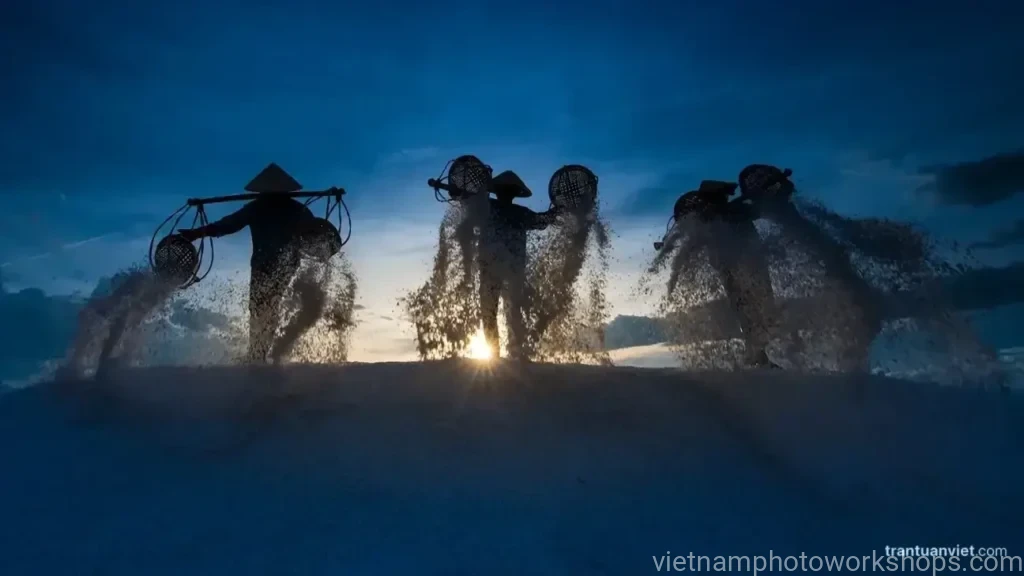
3. Discovering the “Un-Googleable” Locations
Sure, the Golden Bridge is famous, but have you photographed the salt fields of the Central Coast at 4:00 AM? Or the Bac Giang lychee harvest, where thousands of motorbikes are laden with bright red fruit?
- The Advantage: Local pros have “scouts” in every province. They track weather patterns, harvest dates, and local festival calendars that aren’t published online.
- Workshop Value: Your portfolio will stand out because it features fresh, authentic imagery—the kind of “hidden Vietnam” that editors at National Geographic look for.
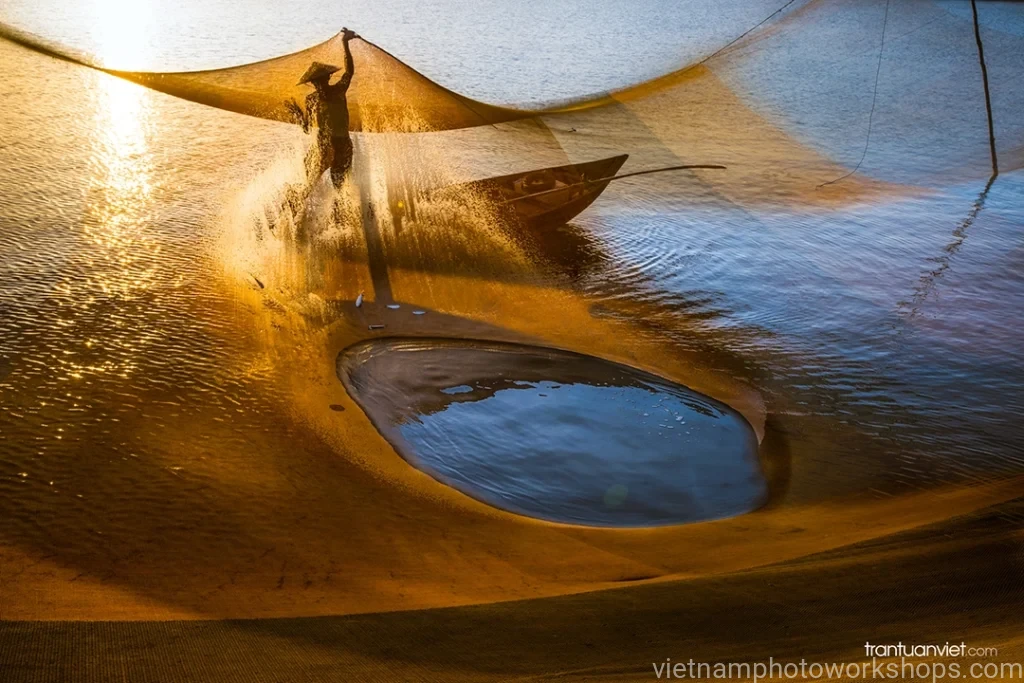
4. Language: Turning “Subjects” into Stories
The biggest barrier to great portraiture is the “camera wall.” When you can’t communicate, your photos often feel distant.
- The Connection: Your local guide bridges the gap, translating your appreciation and explaining your project to the locals. This turns a quick click into a shared moment.
- Workshop Value: Learn how to direct subjects through a translator to get the exact expression or pose you need for a compelling narrative.
5. Real-Time Technical Feedback
On a workshop, a local photographer isn’t just a guide—they are a mentor.
The Workshop Difference: If you’re struggling with the high-contrast light in a Hanoi alley or the fast motion of a floating market, your mentor is right there to suggest the perfect aperture or shutter speed adjustment. It’s “on-the-job” training inspired by the high standards of masters like Tran Tuan Viet.
Ready to see Vietnam through a different lens?
A Vietnam photo workshop is more than a trip; it’s a creative partnership. By working with a local professional, you aren’t just visiting a country—you are being invited into its soul, learning to see the world with the same “Vietnamese eye” that has captivated global audiences on the pages of National Geographic.