Vietnam is a masterclass in visual diversity, but the environment can be demanding on both the artist and the equipment. To move beyond snapshots and into professional-grade documentary work, your preparation must be as intentional as your composition.
Whether you are navigating the humidity of the Mekong or the dusty trails of the Northern Highlands, here is your essential preparation guide for a Vietnam photography workshop.
1. The Technical Toolkit: Packing for Versatility
In a country where you might shoot a wide landscape in the morning and an intimate craft portrait in the afternoon, your bag needs to be balanced.
The Lens “Holy Trinity”
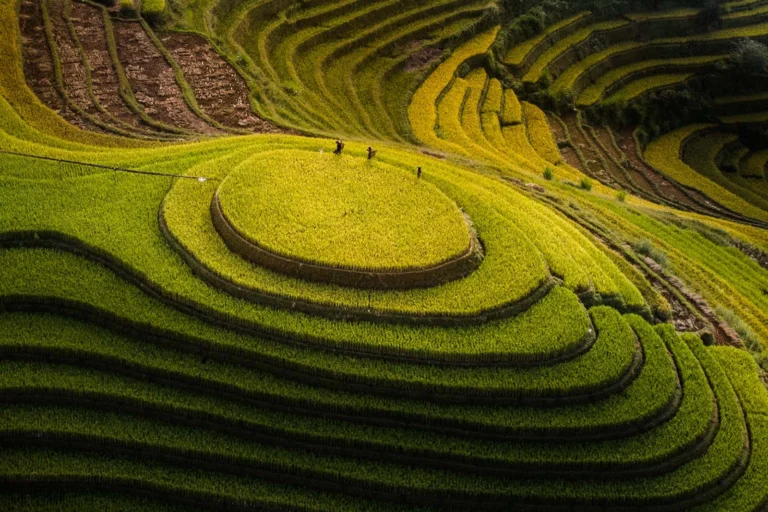
- The Wide-Angle (16–35mm): Essential for the narrow alleys of Hanoi’s Old Quarter and the sprawling rice terraces where you need to capture the “Establisher.”
- The Street Prime (35mm or 50mm): My personal favorite for Vietnam street photography. It mimics the human eye’s field of view, forcing you to move your feet and engage with the scene.
- The Telephoto (70–200mm): Vital for “compressing” mountain ridges and capturing candid expressions in busy markets without intruding on the subject’s personal space.
Essential Accessories
- Silica Gel & Weather Sealing: Vietnam is a high-humidity environment. Humidity levels often hover between 80% and 95%. Keep silica packets in your bag to prevent fungal growth on your glass.
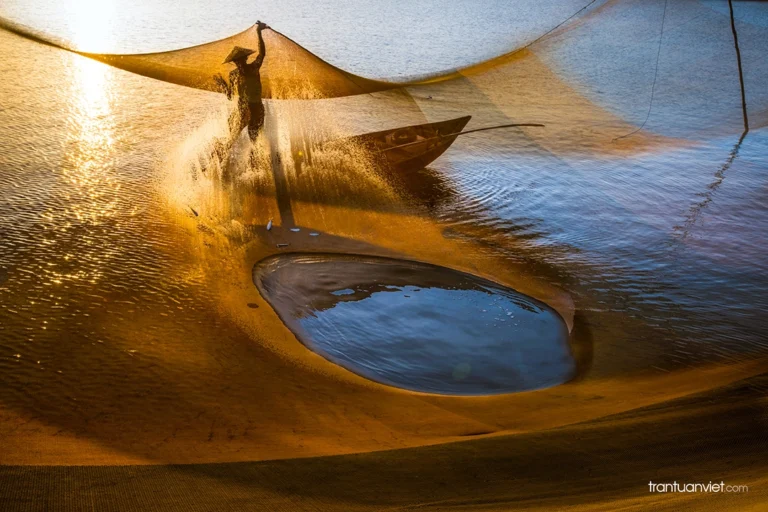
- Neutral Density (ND) Filters: Critical for shooting wide apertures in the harsh midday sun or for long exposures of coastal fishing nets.
- Backups: Bring twice the storage you think you need. High-speed 128GB or 256GB cards are standard for long workshop days.
2. Regional Rhythms: Timing Your Workshop
Vietnam stretches over 1,650 km from North to South, resulting in three distinct climate zones. Understanding these statistics is key to your success.
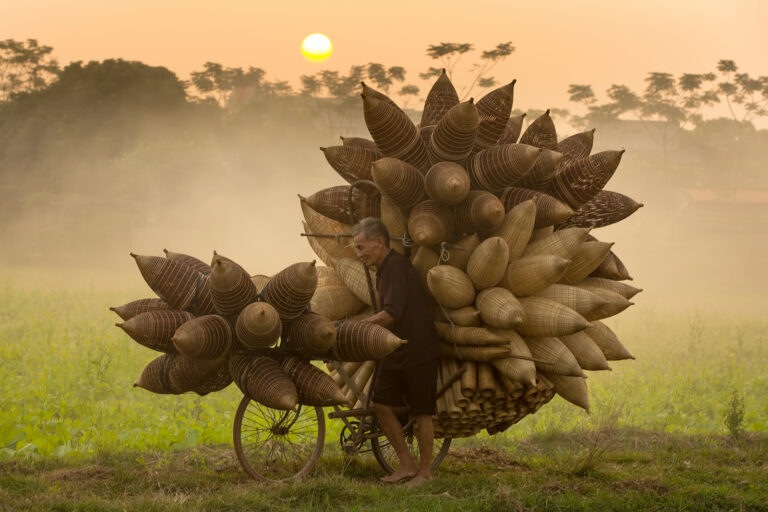
- Northern Vietnam (Hanoi, Sapa, Ha Giang): Best from September to November. The “Golden Season” offers crisp air and the famous harvest colors.
- Central Vietnam (Hoi An, Hue, Da Nang): Best from February to May. This period avoids the typhoon season (which traditionally peaks in October/November) and offers soft, coastal light.
- The South (Saigon, Mekong Delta): Tropical and consistent. The dry season (December–April) is ideal for boat-based photography in the floating markets.
3. The “Soft Skills”: Cultural Preparation
A Vietnam photo workshop is as much about human connection as it is about f-stops. The most powerful images come from trust.
- The “Smile First” Rule: Before lifting your camera, make eye contact and smile. In rural communities, a simple “Xin chào” (Hello) or “Tôi có thể chụp ảnh được không?” (May I take a photo?) changes the dynamic from “capturing” a subject to “sharing” a moment.
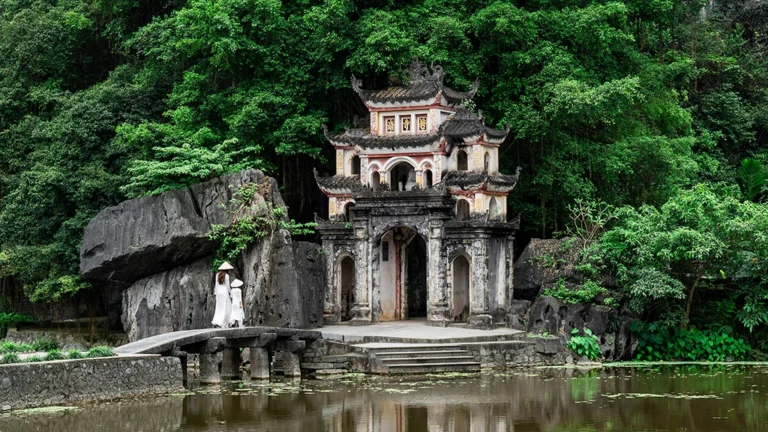
- Respecting Sacred Spaces: In temples and pagodas, dress modestly (shoulders and knees covered). Avoid using flash, as it disrupts the spiritual atmosphere and flattens the natural, moody light of the incense smoke.
4. Logistics: Why a Workshop Mentor Matters
Independent travel in Vietnam is rewarding, but for a photographer, it can be inefficient.
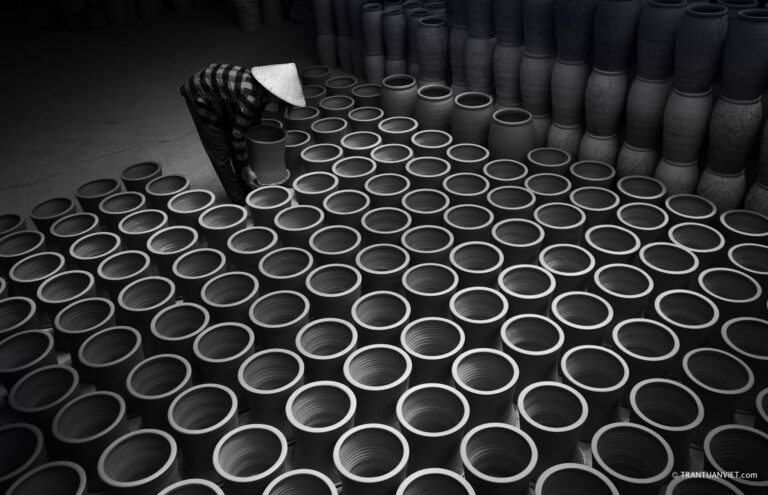
- The Local Edge: A freelance Vietnam photographer or workshop mentor knows the “un-Googleable” details. We know which specific alley in Hanoi gets the “God rays” at 9:00 AM, and we have the local connections to get you into private craft workshops.
- The Language Bridge: Language can be a barrier to intimate portraiture. A mentor acts as your translator, helping you learn the story behind the face, which results in much deeper captioning and narrative work.
5. Final Preparation Checklist
- [ ] Sensor Cleaning: The highlands can be dusty. Bring a blower and a sensor cleaning kit.
- [ ] Travel Insurance: Ensure it covers professional photography equipment.
- [ ] Digital Backup: A portable SSD (like a 2TB Samsung T7) is essential for nightly backups.
- [ ] Comfortable Footwear: You will likely walk ~10,000 steps a day during a workshop.
Ready to Elevate Your Portfolio?
The best shots don’t come from having the most expensive gear; they come from being in the right place at the right light with the right mindset. On our private Vietnam photo workshops, we handle the logistics so you can focus entirely on the frame.