Northern Vietnam: A Landscape Photographer’s Journey
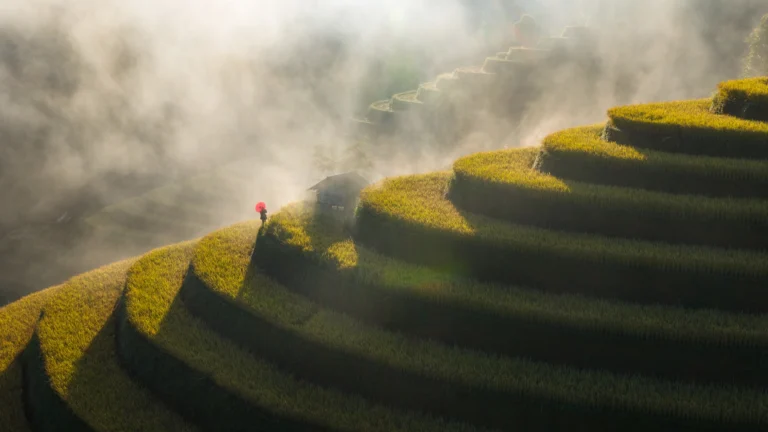
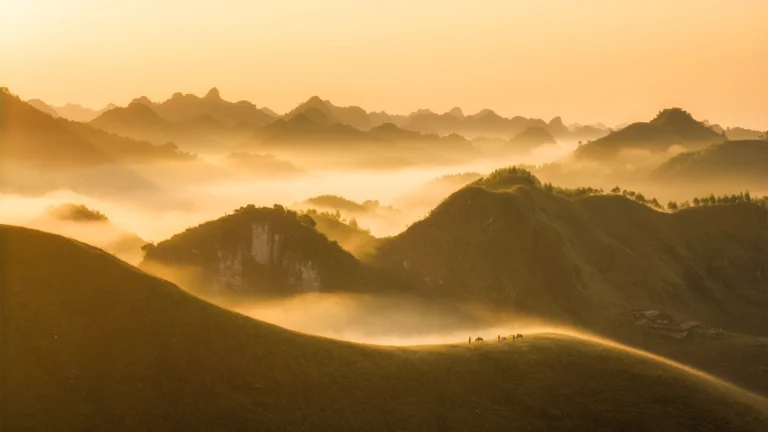
Discover the extraordinary landscapes of Northern Vietnam, from the towering limestone mountains and waterfalls of Cao Bang to the mist-covered tea hills of Long Coc, the sweeping rice terraces of Mu Cang Chai, and the dramatic peaks of the Hoang Lien Son mountain range.
Our Northern Vietnam Landscape Photography Workshop is a carefully curated 10-day journey personally led by National Geographic photographer Tran Tuan Viet. Designed exclusively for landscape photography, the workshop combines iconic locations, lesser-known viewpoints, dedicated sunrise and sunset sessions, and individual guidance in the field.
With a maximum of six photographers, the experience allows greater flexibility around light, weather, and changing mountain conditions. Rather than simply visiting beautiful places, participants learn to observe the landscape, anticipate the light, and create photographs with stronger composition, atmosphere, and a distinctive sense of place.
Workshop Highlights
- Duration: 10 Days / 9 Nights.
- Destinations: Cao Bang, Long Coc, Mu Cang Chai, Sa Pa, and the Hoang Lien Son mountains.
- Group Size: Limited to six photographers.
- Mentorship: Personally led by Tran Tuan Viet, with individual photography guidance throughout the journey.
- Landscape Photography: Waterfalls, limestone valleys, mountain layers, tea hills, rice terraces, and cloud-filled highlands.
- Accommodation: Five-star resorts and carefully selected accommodations, with the best available options in remote areas.
- Transportation: Private vehicles with two seats reserved for each participant.
- Meals: Three meals per day, as specified in the official workshop program.
Mastering Light, Composition, and Atmosphere
Great landscape photographs depend on more than spectacular scenery. Throughout the workshop, participants develop the technical skills and creative judgment needed to interpret changing light, weather, and natural forms.
- Landscape Composition: Explore visual balance, leading lines, natural patterns, foreground interest, and the relationship between different elements of a scene.
- Light & Atmospheric Conditions: Learn to work with mist, cloud formations, sunrise light, sunset colors, and the changing visibility of mountain landscapes.
- Telephoto Landscape Photography: Use longer focal lengths to compress mountain layers, isolate distant subjects, and reveal patterns across rice terraces and rolling tea hills.
- Long Exposure Techniques: Experiment with shutter speeds, ND filters, and tripod techniques to photograph waterfalls, flowing rivers, and moving clouds.
- Exposure & Depth of Field: Refine camera settings, focusing techniques, and exposure decisions in challenging natural light.
- Image Review & Post-processing: Develop a more thoughtful approach to image selection, RAW processing, color, contrast, tonal balance, and natural-looking landscape photographs.
10-Day Northern Vietnam Landscape Photography Itinerary
This journey explores three distinctive landscape regions of Northern Vietnam: the limestone valleys and waterfalls of Cao Bang, the tea-covered hills and rice terraces of the Northwest, and the rugged mountains surrounding Sa Pa. Each day is planned around photographic opportunities, with flexibility to respond to changing weather and light.
- Day 1: Into the Northern Highlands
Depart Hanoi for Cao Bang, traveling through mountain passes, limestone formations, and rural valleys. Selected photography stops introduce the distinctive landscapes of northeastern Vietnam. - Day 2: Ban Gioc Waterfall & Phong Nam Valley
Begin with a morning photography session at Ban Gioc Waterfall, exploring composition, exposure, and the movement of water. Continue through the limestone landscapes of Cao Bang before photographing Phong Nam Valley in the late afternoon light. - Day 3: Valleys, Karsts & Waterfalls
Explore the mountainous countryside of Cao Bang, including Mat Than Mountain and its surrounding valleys. Photograph limestone formations, rivers, rural scenery, and waterfalls, with locations selected around the prevailing light and conditions. - Day 4: Cao Bang to Hanoi
Enjoy a final morning in the Cao Bang highlands before returning to Hanoi. The route provides additional opportunities to photograph mountain scenery and changing landscapes along the journey. - Day 5: Hanoi Sunrise & Long Coc Tea Hills
Begin with sunrise photography around Hoan Kiem Lake, capturing reflections and the quiet atmosphere of early morning Hanoi. Continue toward Phu Tho for an evening session among the rolling tea hills of Long Coc. - Day 6: Long Coc to Mu Cang Chai
Photograph Long Coc at dawn, when mist and changing light can transform the rounded tea hills into a layered landscape. Continue through Tu Le and the northwestern mountains before reaching Mu Cang Chai for sunset photography. - Day 7: The Rice Terraces of Mu Cang Chai
Spend a full day exploring the remarkable terraced mountains of Mu Cang Chai. Photograph the celebrated Mam Xoi and Mong Ngua landscapes, studying their sweeping curves, repeating patterns, mountain layers, and changing natural light. - Day 8: Mu Cang Chai to Sa Pa
Capture a final morning in Mu Cang Chai before traveling through the Hoang Lien Son mountains toward Sa Pa. Explore the dramatic scenery around Chu Va Mountain and O Quy Ho Pass, where steep valleys, distant peaks, and shifting clouds offer compelling compositions. - Day 9: The Mountains of Sa Pa
Begin before sunrise, searching for atmospheric conditions across Sa Pa’s mountain valleys. Continue photographing the surrounding peaks, forests, and waterfalls, with the afternoon session planned according to visibility, cloud formations, and available light. - Day 10: Final Sunrise in the Hoang Lien Son
Enjoy a final sunrise photography session overlooking the mountains surrounding Sa Pa. Following breakfast, return toward Hanoi and conclude the workshop at Noi Bai International Airport.
The daily itinerary may be adjusted according to weather, light, local conditions, and access to ensure the best available photographic opportunities. Specific viewpoints and shooting times are subject to change.
Photography Beyond the Familiar Viewpoints
Northern Vietnam offers an exceptional variety of landscapes, yet photographing them well requires more than arriving at a famous location. Mountain weather can transform a scene within minutes, revealing distant ridgelines, filling valleys with mist, or creating brief moments of extraordinary light.
Drawing on nearly two decades of photographing Vietnam, Tran Tuan Viet guides participants through the decisions behind each photograph: where to stand, which focal length to choose, when to wait, and how to simplify a complex landscape into a compelling composition.
Our small-group format provides time for individual guidance, creative experimentation, and meaningful discussions about photography. The aim is not simply to visit Northern Vietnam’s iconic landscapes, but to return with a stronger understanding of how to photograph them.
Frequently Asked Questions
What makes this workshop different from a regular photography tour?
The workshop is personally led by Tran Tuan Viet and limited to six photographers. It emphasizes field instruction, careful composition, creative development, and photography sessions timed around the best available light rather than a conventional sightseeing schedule.
What camera equipment should I bring?
A focal range of approximately 16mm to 200mm is recommended. A 16-35mm lens is useful for expansive landscapes and waterfalls, a 24-70mm for general compositions, and a 70-200mm for mountain layers, distant details, and rice terrace patterns. A sturdy tripod, polarizing filter, and ND filters are also useful.
Do I need advanced landscape photography experience?
No. The workshop welcomes photographers at different experience levels. Individual guidance covers camera settings, composition, exposure, lens selection, and creative decisions according to each participant’s abilities and interests.
What weather conditions can we expect in Northern Vietnam?
October brings varied conditions across the northern mountains. Cao Bang may offer changing light around its waterfalls and limestone valleys, while Long Coc and Sa Pa can experience mist and cloud-filled landscapes. Weather, visibility, and seasonal colors vary from year to year, so no specific conditions can be guaranteed.
How physically demanding is the workshop?
The workshop is rated moderate. Most photography locations are accessible by private vehicle with relatively short walks, although some viewpoints involve uneven paths, mountain slopes, or terraced terrain. Early departures are common to make the most of sunrise conditions.
Are accommodations and meals included?
Yes. The workshop includes three meals per day and carefully selected accommodations, with five-star resorts where available and the best suitable options in remote mountain regions. Private transportation and planned photography arrangements are also included.
Can I photograph the landscapes with a drone?
Drone photography is subject to applicable aviation regulations, restricted airspace, local conditions, and required permissions. Some locations, particularly near international borders, are subject to additional restrictions. Drone operations are not guaranteed at every destination.
Where does the workshop begin and end?
The workshop begins in Hanoi and concludes at Noi Bai International Airport after the final morning photography session in the Sa Pa region. Please refer to the official workshop details for confirmed meeting and departure arrangements.
Discover Northern Vietnam Through Your Lens
Join a carefully curated landscape photography journey personally led by Tran Tuan Viet and operated by Vietnam Photo Tours LLC, continuing a photography travel business established in 2009.
Explore the official itinerary, workshop dates, and availability.