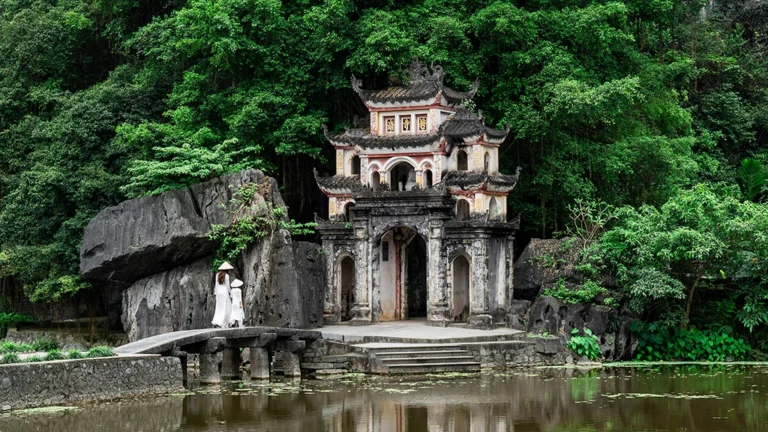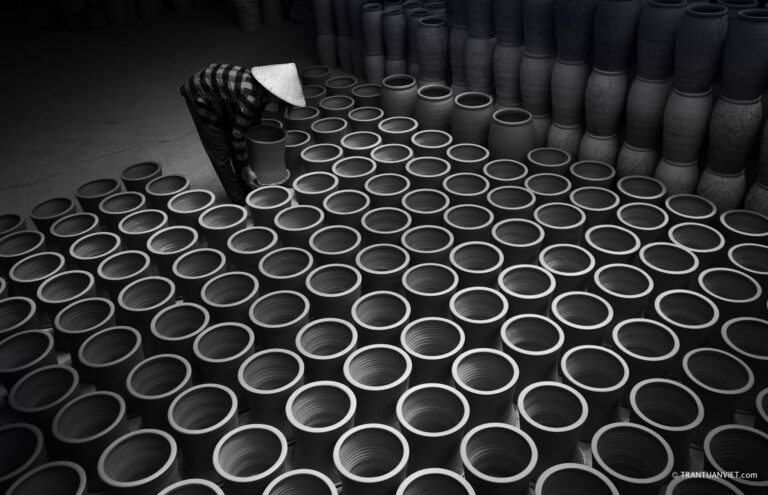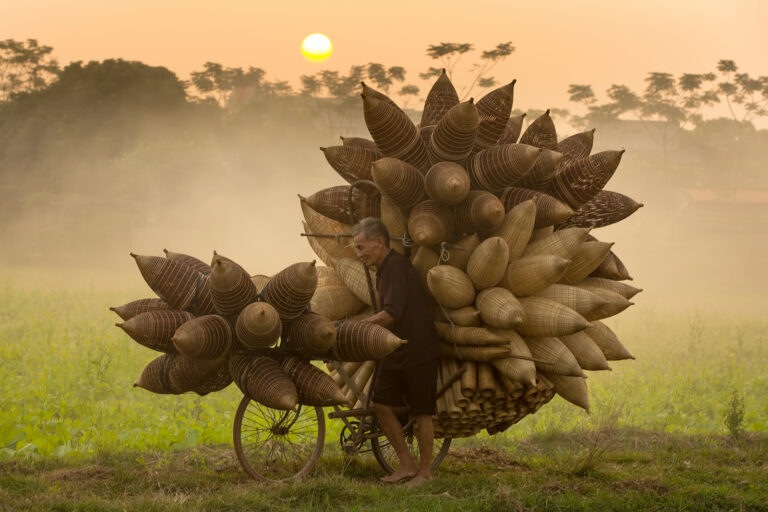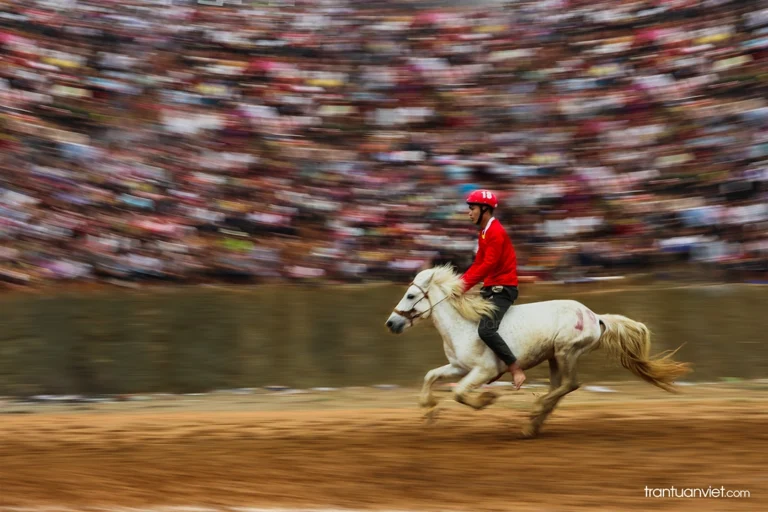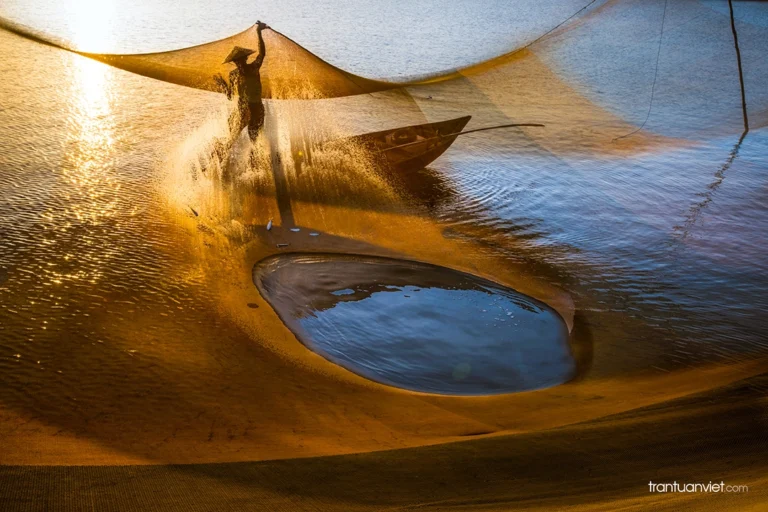
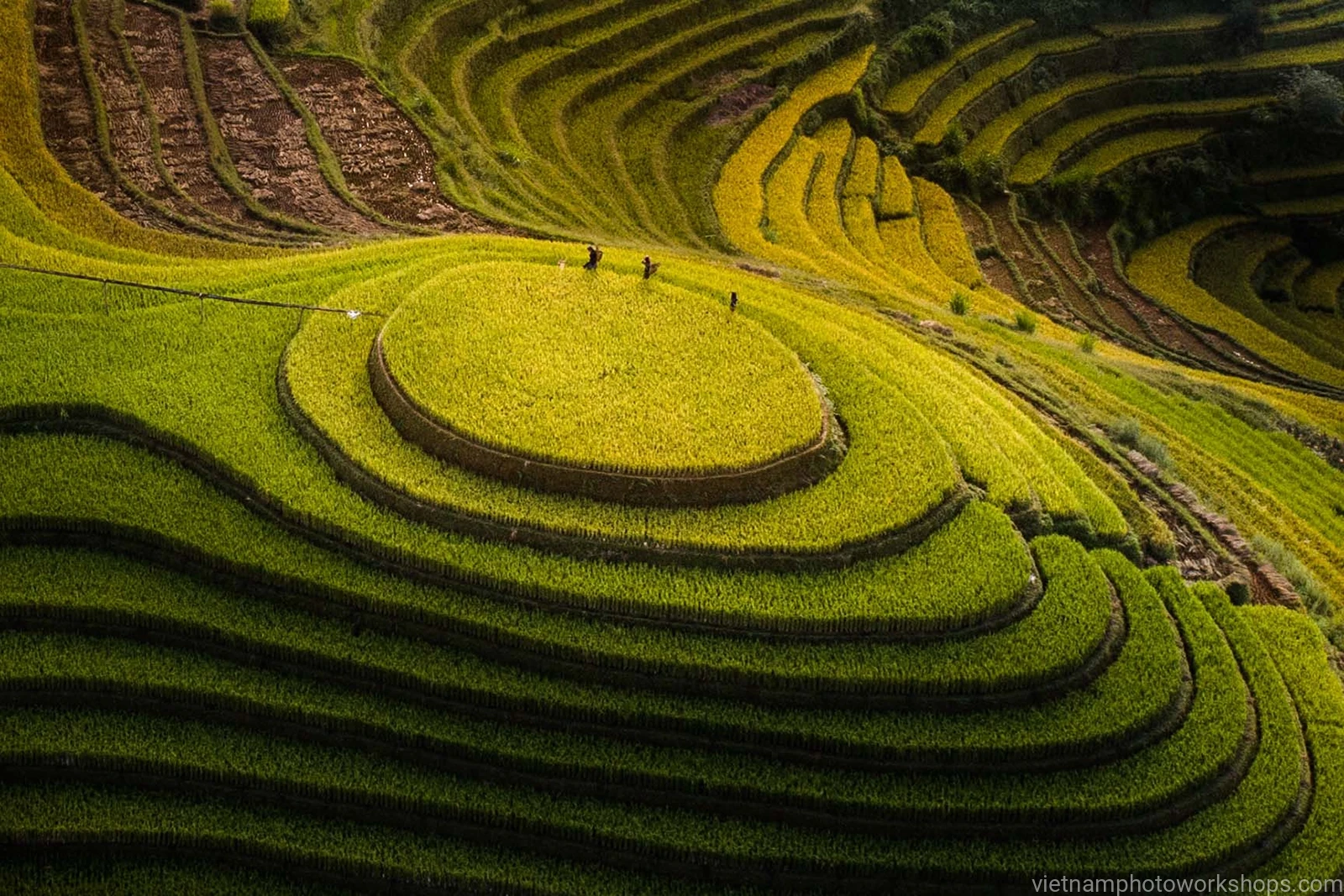
Northern Vietnam is widely regarded as the crown jewel of Southeast Asian photography. For those enrolled in a Vietnam photo workshop, this region serves as a high-intensity training ground for mastering diverse light, complex textures, and soulful portraiture.
Here is why the North is a photographer’s dream, along with the techniques you need to capture it like a pro.
1. Majestic Landscapes and Rice Terraces
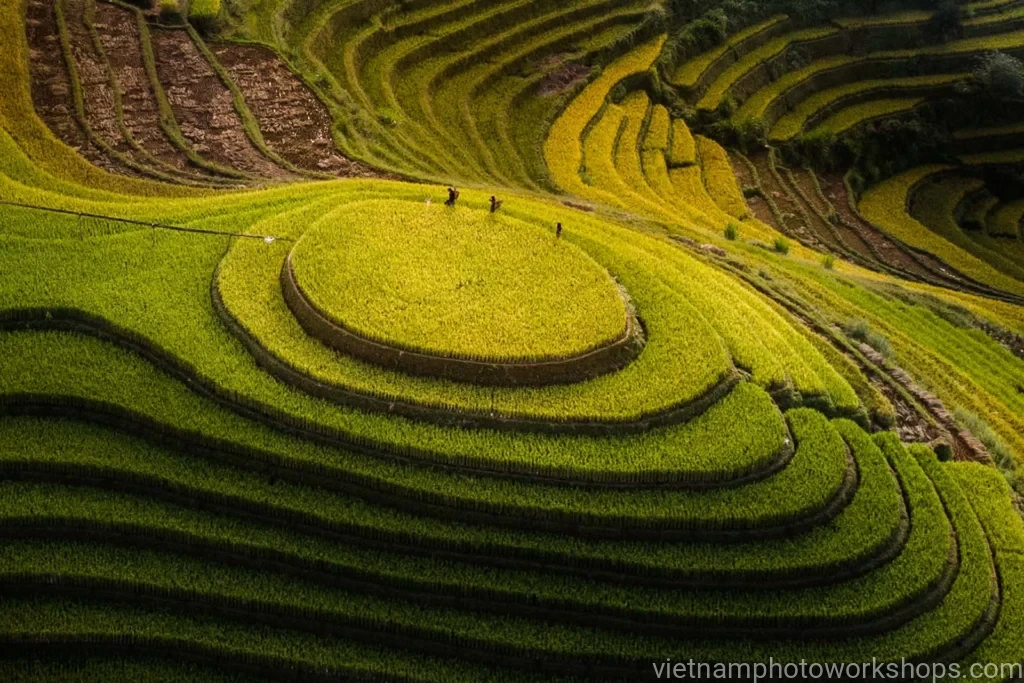
From the sculpted tiers of Mu Cang Chai to the jagged limestone peaks of Ha Giang, the North offers world-class landscape opportunities. During the “Golden Season” (September–October), the terraces turn a brilliant yellow, creating layers of depth that are perfect for wide-angle mastery.
- Workshop Technique: Mastering “The Compression” Don’t just use a wide-angle lens. Use a 70-200mm telephoto lens to “compress” the rice terraces. This makes the layers look closer together, creating a dramatic, abstract pattern that highlights the geometry of the land.
- Pro Tip: Use a Circular Polarizer (CPL). It will cut the reflection off the water-filled paddies in the spring and make the green and golden hues “pop” against the blue sky.
2. The Rich Mosaic of Ethnic Cultures
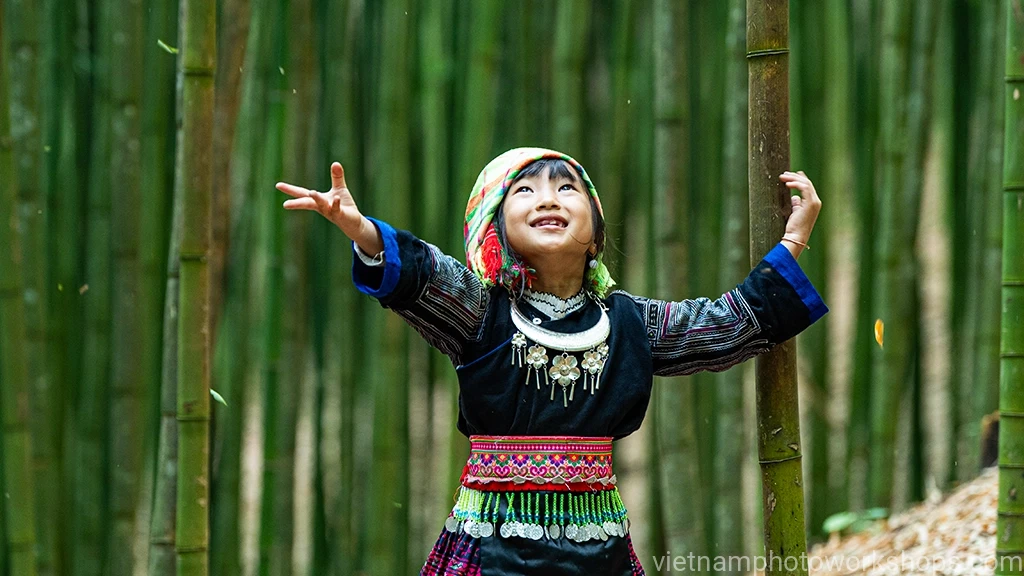
Home to the Hmong, Dao, Tay, and Thai people, the North is unparalleled for cultural documentary photography. The vibrant textiles and weathered faces of elders provide a story in every frame.
- Workshop Technique: Environmental Portraiture Instead of a tight “headshot,” back up and include the subject’s environment—their home, their loom, or the mountains behind them. Use a wide aperture (like f/1.8 or f/2.8) to softly blur the background while keeping the cultural context visible.
- Pro Tip: Always carry a small “reflector” (or even a white piece of foam) to bounce soft light into the eyes when shooting under the dark eaves of traditional wooden houses.
3. Atmospheric Light and Dramatic Weather
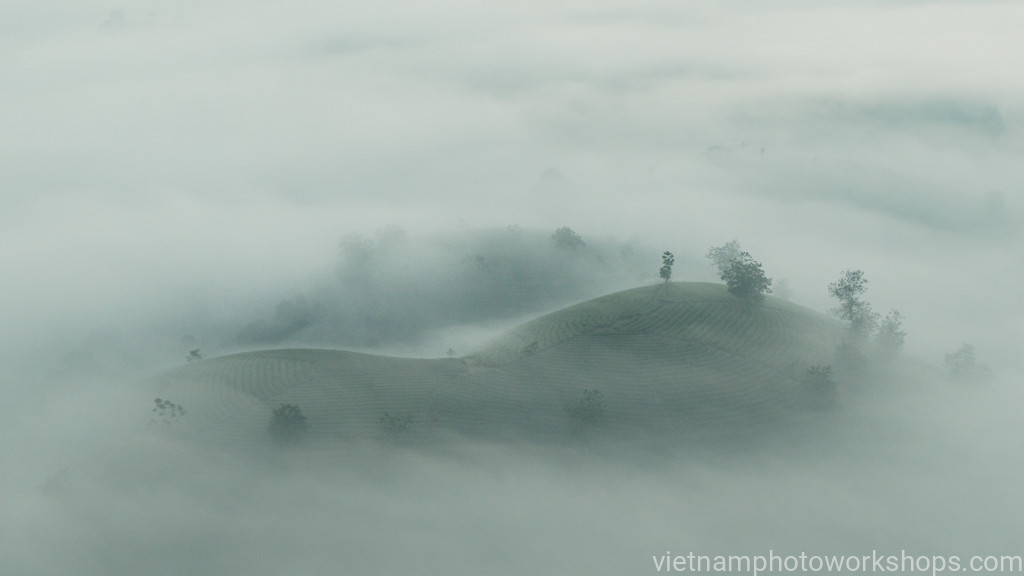
The North is famous for its “four seasons in a day.” One moment you have harsh sun, the next, a mountain mist rolls in, completely changing the mood.
- Workshop Technique: Shooting in the Mist Mist acts as a giant natural softbox. When shooting in the fog of Sapa or Ha Giang, overexpose your shot by +0.7 or +1.0 stop. Cameras often mistake fog for “grey” and underexpose the image; manually adjusting keeps your whites clean and the mood ethereal.
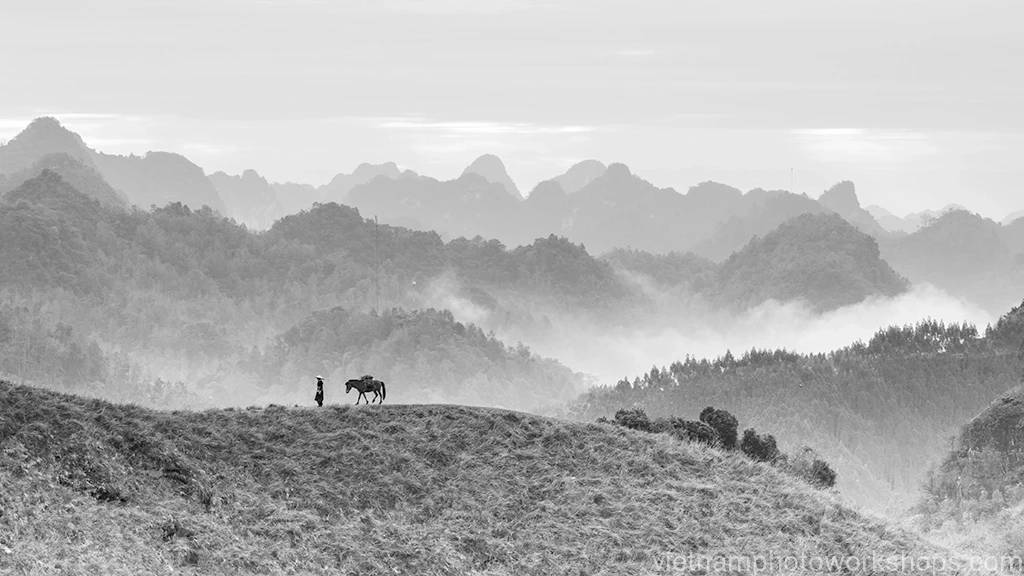
- Pro Tip: Look for “silhouettes.” In low-visibility mist, focus on the strong shapes of trees or farmers walking along ridges.
4. Capturing the Rhythm of Rural Life
Northern Vietnam feels like a living museum. To capture authentic daily life—farmers plowing with water buffalo or children playing—you need to be fast and invisible.
- Workshop Technique: Zone Focusing When shooting fast-moving street or village scenes, try Manual Focus. Set your focus to a specific distance (e.g., 3 meters) and use a narrow aperture (f/8). This ensures that anything moving within that “zone” is sharp, allowing you to click the shutter instantly without waiting for autofocus.
- Pro Tip: Shoot from the hip. Sometimes bringing the camera to your eye breaks the “moment.” Use a flip-out screen to compose from waist level for more natural, candid shots.
5. Hidden Spots and Unique Perspectives
A local Vietnam photography guide can lead you away from the tourist trails of Sapa to hidden valleys where life remains untouched. This is where you develop your “eye” for unique perspectives.
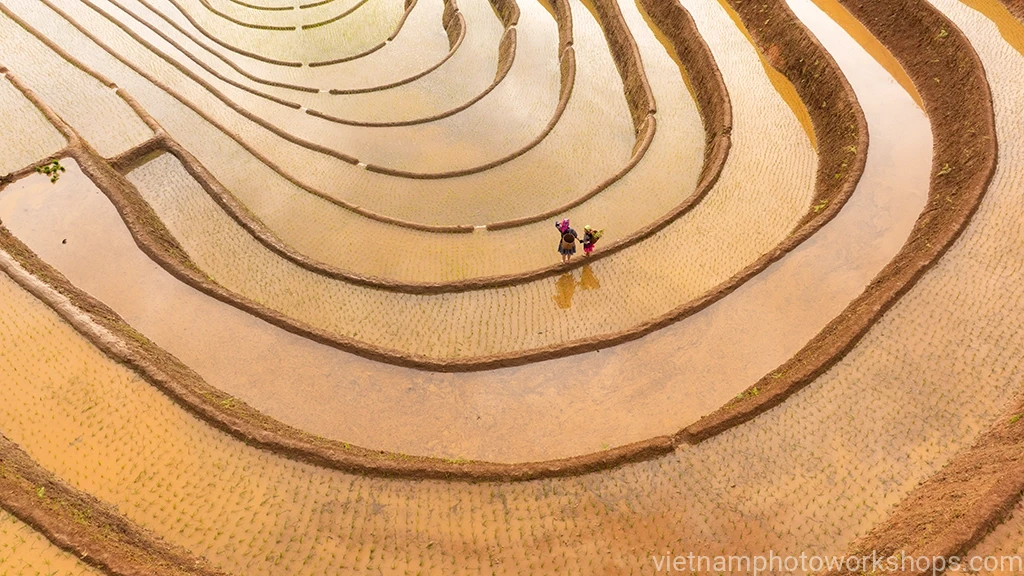
- Workshop Technique: Leading Lines Use the narrow, winding mountain paths or the edges of the rice terraces as “leading lines” to draw the viewer’s eye toward your subject. This creates a sense of journey and scale in your photos.
- Pro Tip: Look for the “Low Angle.” Get down on the ground to photograph the rice or the mountain paths. It makes the landscape feel more immersive and grand.
Ready to Refine Your Craft?
Northern Vietnam isn’t just a place to take pictures; it’s a place to learn how to see. Whether you’re mastering the technicality of a long exposure or the emotional depth of a portrait, the North provides the perfect canvas.